









Ghana Agricultural Insurance Pool Begins Pilot Programme
New Rainfall-Index Insurance Product Piloted With 2,000 Farmers In Northern Ghana
By Kwame Gaff · June 9, 2026 · 2 minutes read
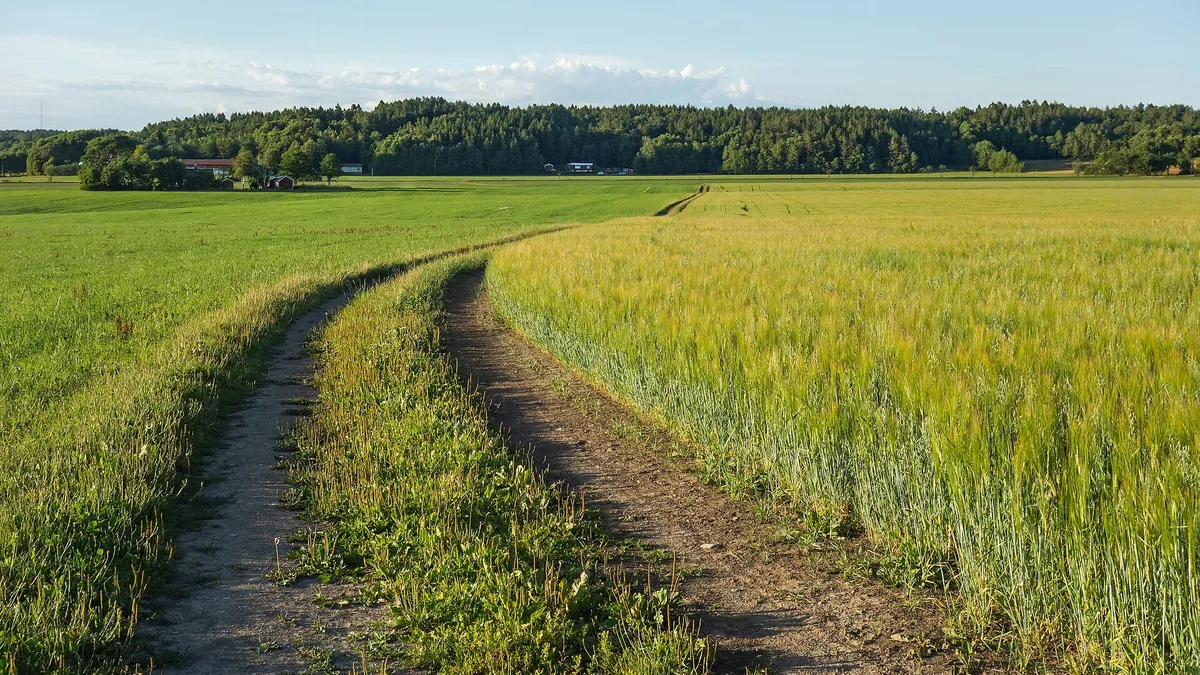
The Ghana Agricultural Insurance Pool (GAIP) has begun piloting a new rainfall-index insurance product for smallholder farmers across Ghana's Upper West, Northern, Savannah and North East regions, according to the Ghana Insurers Association (GIA), which runs the pool. More than 2,000 farmers across 29 communities have been sensitised to the product, known as Germination Index Insurance (GII), with 160 farmers in five communities enrolled so far after early rains disrupted the original registration timeline.
How The Rainfall Trigger Works Agricultural insurance take-up has historically been low among Ghanaian smallholder farmers, leaving many exposed to crop failure without a financial safety net. Germination Index Insurance is designed to close part of that gap by removing the need for an assessor to visit an individual farm. Instead, it tracks rainfall accumulation during the first 21 to 25 days after planting, the critical window in which a seed either germinates or fails. "A farmer purchases the product and plants the seed. Within 21 days of planting, if the seed does not germinate due to insufficient or excessive rainfall, the insurance is triggered and compensation is paid," said Dr. Kingsley Kwesi Kwabahson, CEO of the Ghana Insurers Association and acting general manager of GAIP.
A Ten-Insurer Consortium, And Partners Abroad Ten insurance companies, including Unique Insurance, Enterprise Insurance, Hollard Insurance, Vanguard Assurance, Star Assurance, Prime Insurance and Sanlam Alliance Insurance, have formed a consortium to underwrite the risk and pay claims under the pilot. GAIP is running the programme under the Ghana Insurers Association, working alongside the Delft University of Technology in the Netherlands, the University for Development Studies in Tamale, the Trans-African Hydro-Meteorological Observatory, the Ghana Meteorological Agency and Farmerline Ghana, among other partners. If the pilot proves successful, organisers expect the product to expand further as part of a broader push to build more resilient agricultural livelihoods across the country.