







7 Words That Were Once People: The Stories Behind The Eponyms, Counted Down
From Ponzi To Boycott, The Surprising Stories Behind The Names, And Why The Person Honoured Is Often Not The One Who Invented It
By Kwame Gaff · October 21, 2026 · 9 minutes read
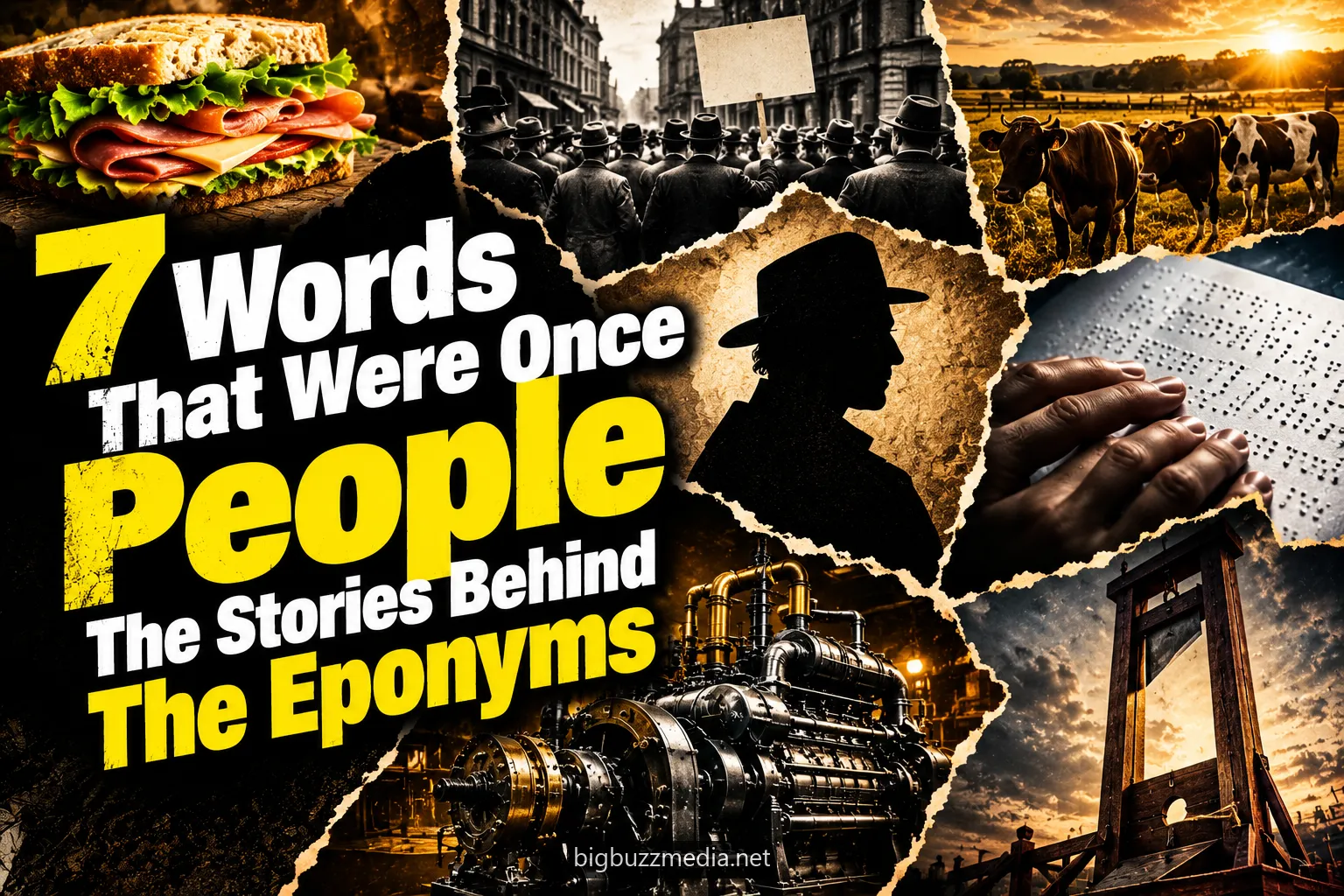
An eponym is a word named after a person. We use them every day without thinking about it, and behind each one there is a real human being, usually with a stranger story than the word suggests. Sometimes the name honours the inventor. Surprisingly often, it honours someone who only made the thing famous, or who never wanted the credit at all. Here are seven everyday words and the real people behind them, counted down from 7 to 1.
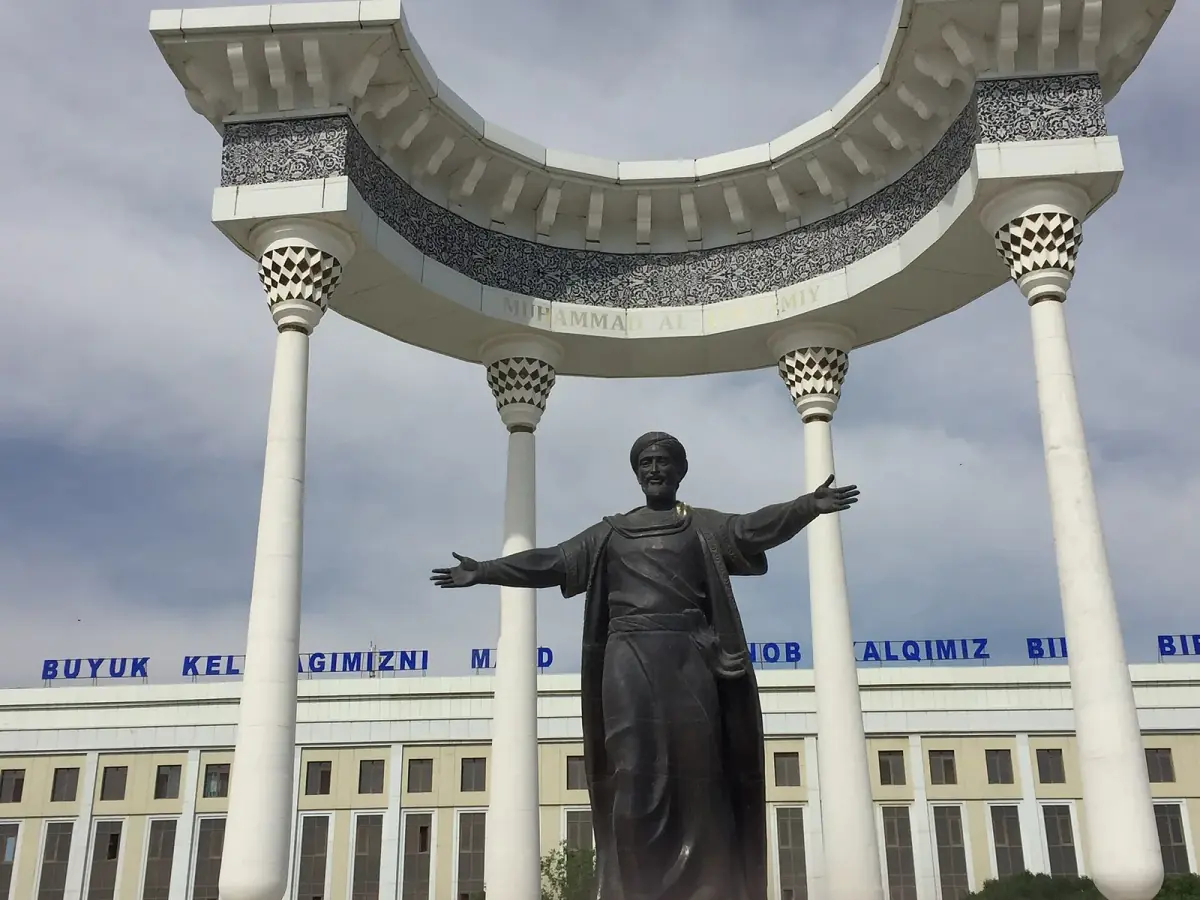
7. Algorithm: Al-Khwarizmi The word algorithm now describes the instructions behind social media feeds, search engines and phone apps, but it began as a garbled version of a man's name. Muhammad ibn Musa al-Khwarizmi was a scholar who lived from around 780 to around 850 and worked in Baghdad at the House of Wisdom, the centre of learning supported by the Abbasid caliphs. He wrote a famous book on solving equations called al-Jabr, which gave us the word algebra, and another on calculating with Hindu numerals, which helped spread the number system the world uses today. When his work was translated into Latin in Europe, his name became "Algoritmi", and the word came to mean any step-by-step method of calculation. Few details of his life are certain, and scholars still debate exactly where he was born.
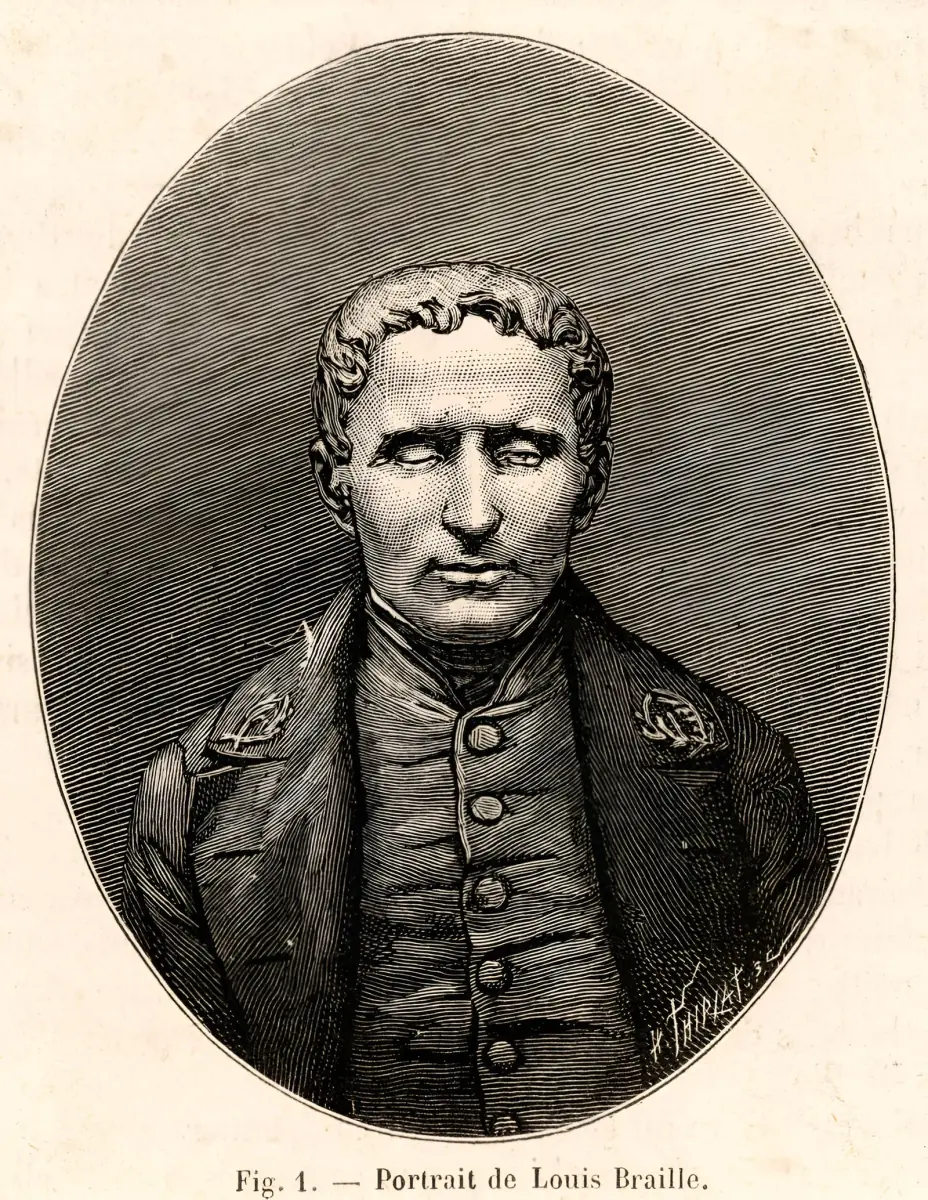
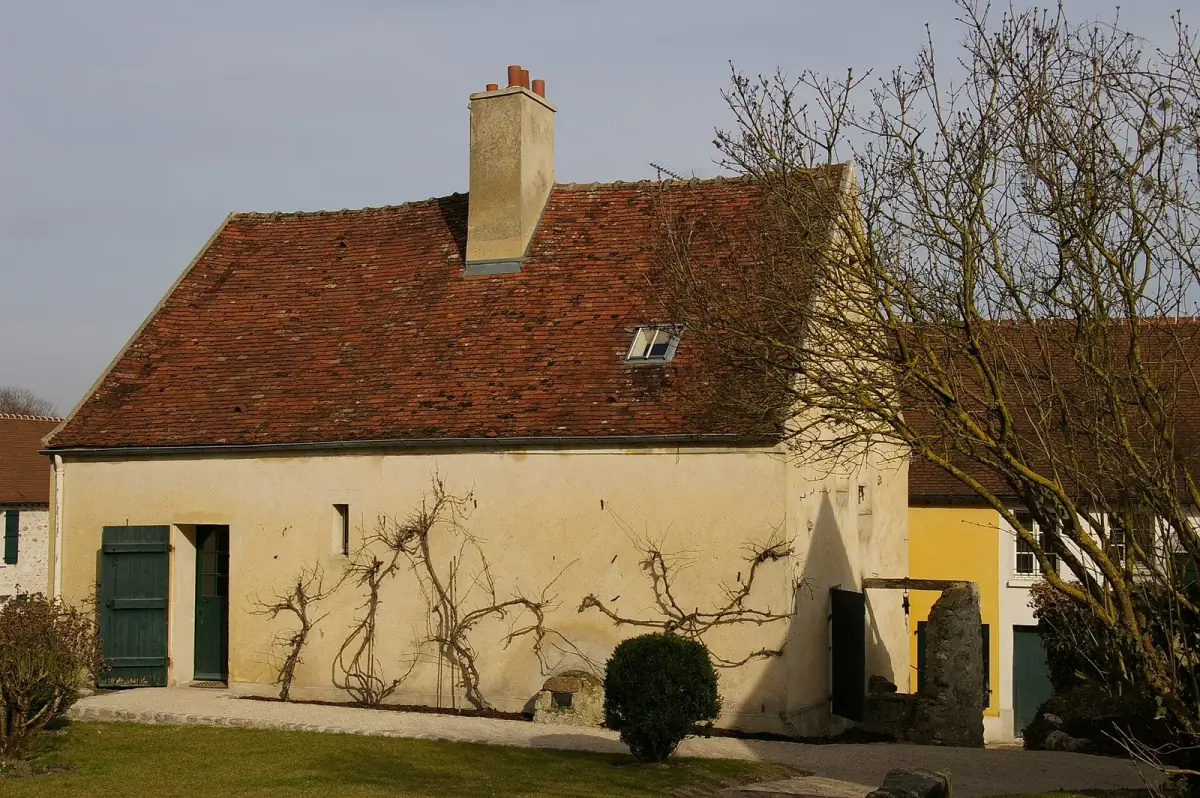
6. Braille: Louis Braille Louis Braille was born in 1809 in the French village of Coupvray. At the age of three he injured an eye with an awl in his father's leather workshop, an infection spread to the other eye, and by five he was completely blind. At ten he went to the Royal Institute for Blind Youth in Paris, where he learned of "night writing", a code of raised dots invented by an army officer, Charles Barbier, that used up to twelve dots and was hard to read by touch. Braille cut it down to six dots and presented his system in 1825, when he was fifteen. He published his first book in 1829 and became a teacher, and later a professor, at the same institute. He died in 1852, aged 43, of a long respiratory illness often believed to be tuberculosis. The institute only officially adopted his system in 1854, two years after his death, and his remains were moved to the Pantheon in Paris in 1952, a hundred years after he died.
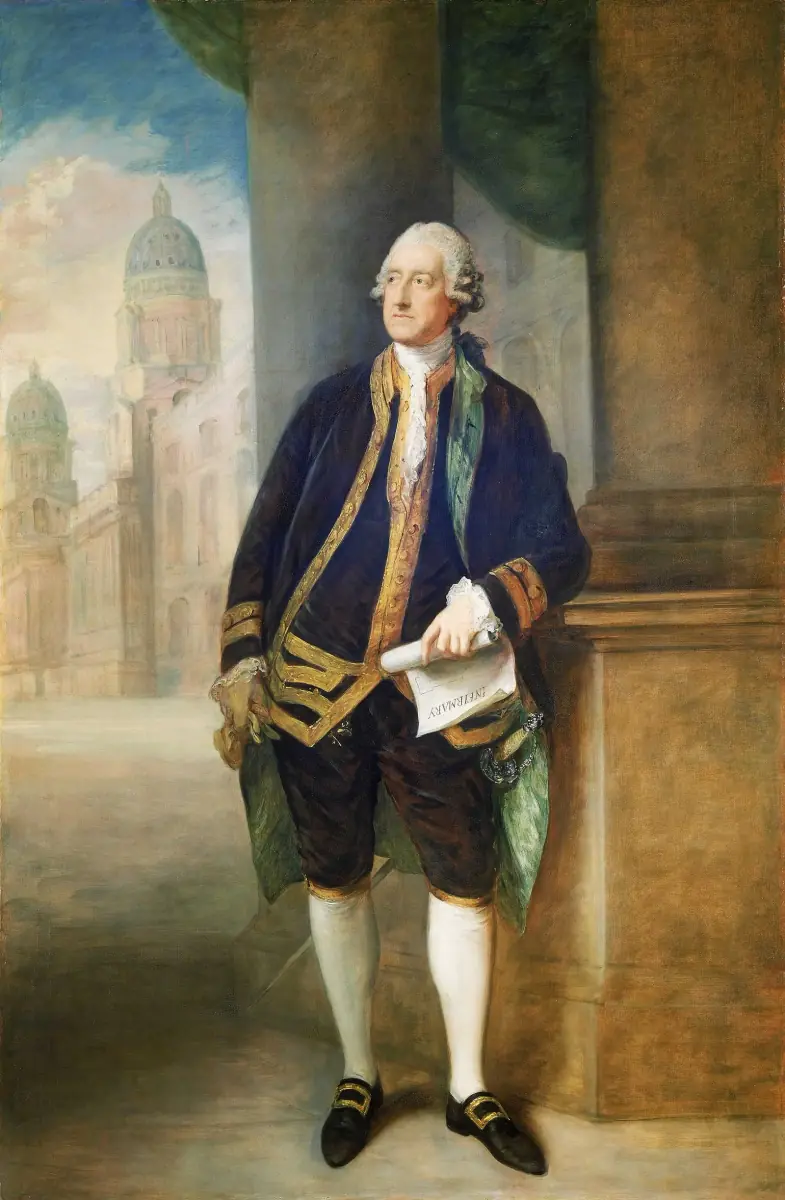
5. Sandwich: John Montagu The sandwich is named after John Montagu, the 4th Earl of Sandwich (1718 to 1792), a British aristocrat who served three times as First Lord of the Admiralty, the man in charge of the Royal Navy. The popular story says he loved card games so much that he asked for meat between slices of bread, so he could keep playing without greasy fingers. That version traces back to a travel book by the Swiss writer Pierre-Jean Grosley, based on a year he spent in London in 1765. Grosley described "a minister of state" eating this way at the gaming table, and later retellings linked the story to Sandwich. His biographer N. A. M. Rodger argues that it is more likely he ate at his desk, given how busy he was with the navy, politics and the arts. Either way, the name stuck. Captain James Cook also named the Sandwich Islands, now Hawaii, in his honour.
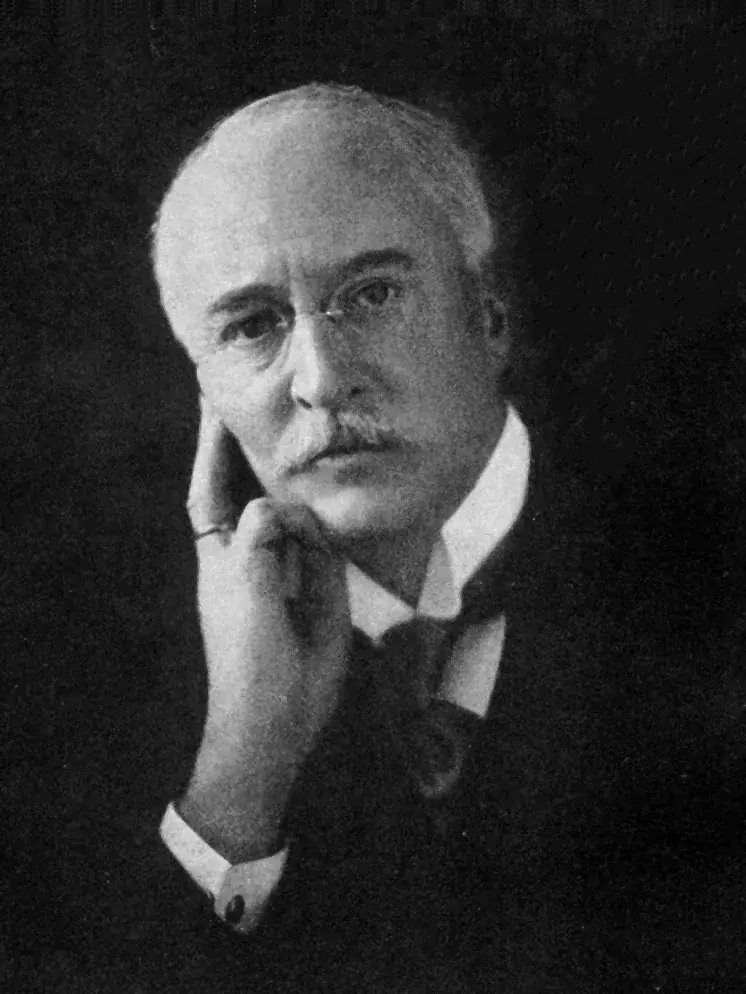
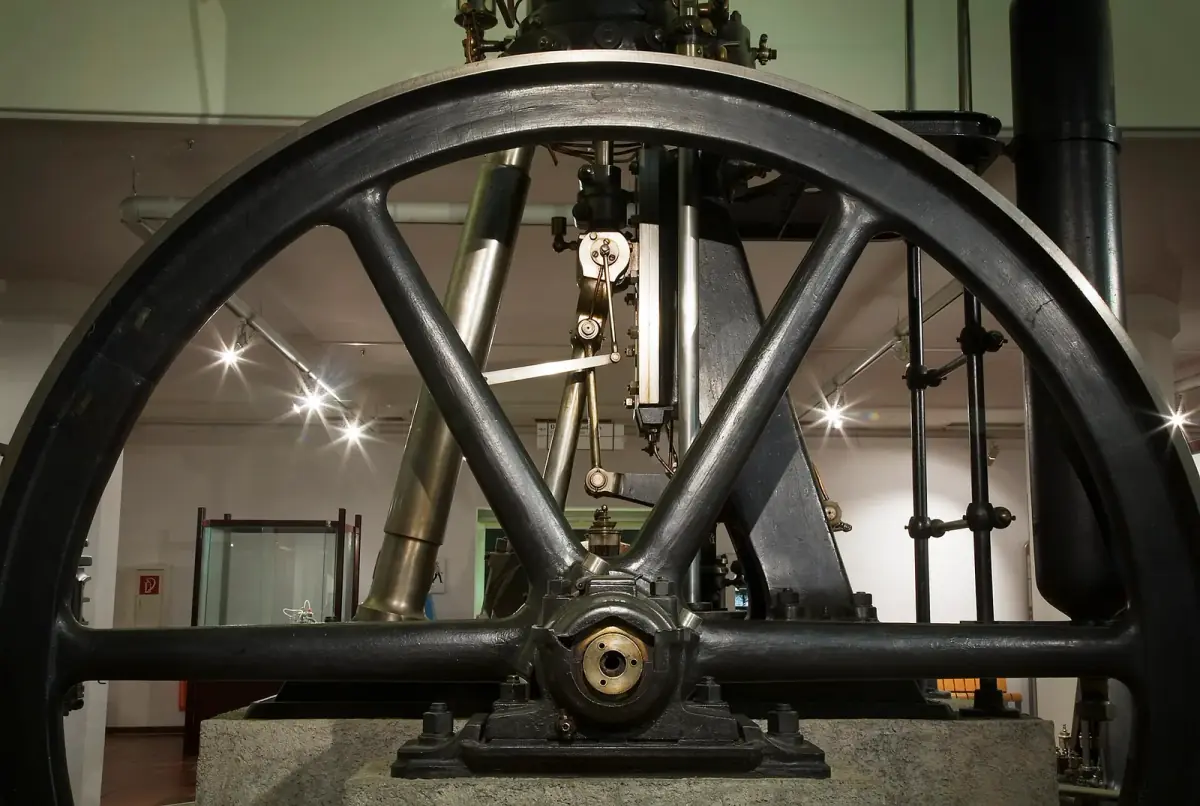
4. Diesel: Rudolf Diesel Rudolf Diesel was a German engineer, born in Paris in 1858, who patented his engine in the early 1890s. The first successful one was tested in 1897. It was not designed around the fuel we now call diesel: in 1900 one of his engines was shown running on peanut oil, at the suggestion of the French government, and Diesel said he later repeated vegetable oil experiments on a large scale. His own story ends in mystery. On the evening of 29 September 1913 he boarded the steamer SS Dresden in Antwerp, bound for London. He had dinner, went to his cabin around 10 p.m. and asked to be woken at 6:15 the next morning. His bed was never slept in, and his hat and folded coat were found under the railing at the back of the ship. Ten days later, the crew of a Dutch pilot boat found a decomposed body in the Eastern Scheldt, but because of heavy weather they kept only his belongings and returned the body to the sea. His son identified the items. His wife later found his bank accounts nearly empty. Some biographers argue he took his own life, others have suggested murder, and one theory even claims his death was faked. It has never been solved.
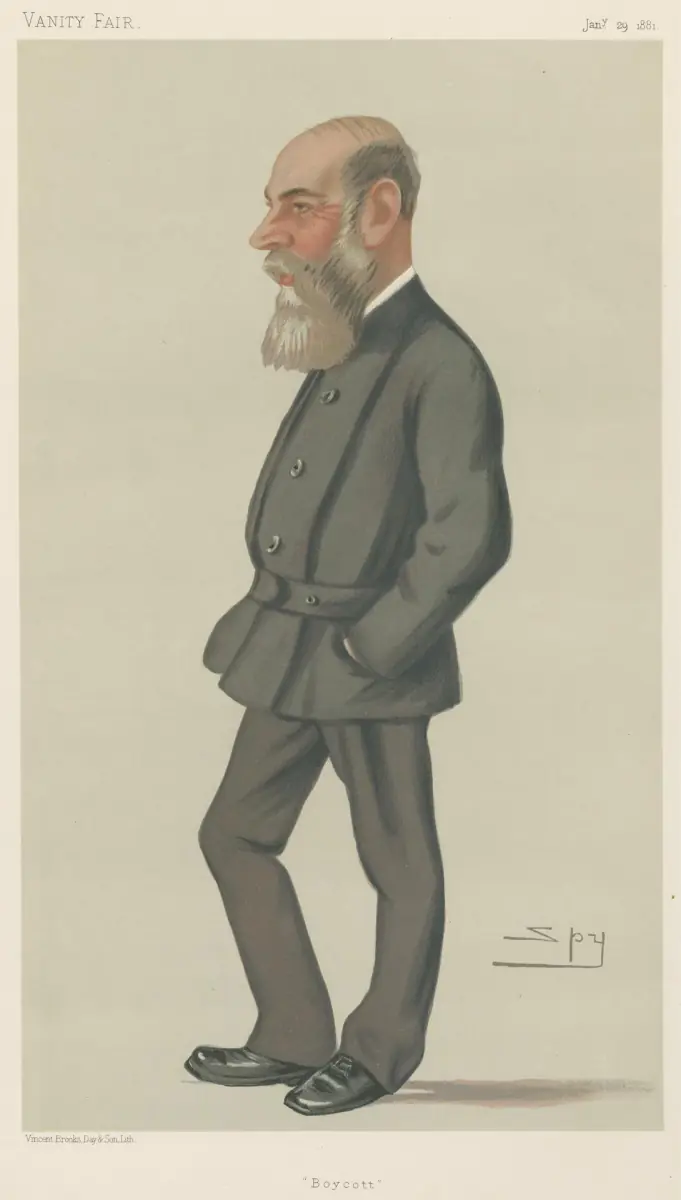
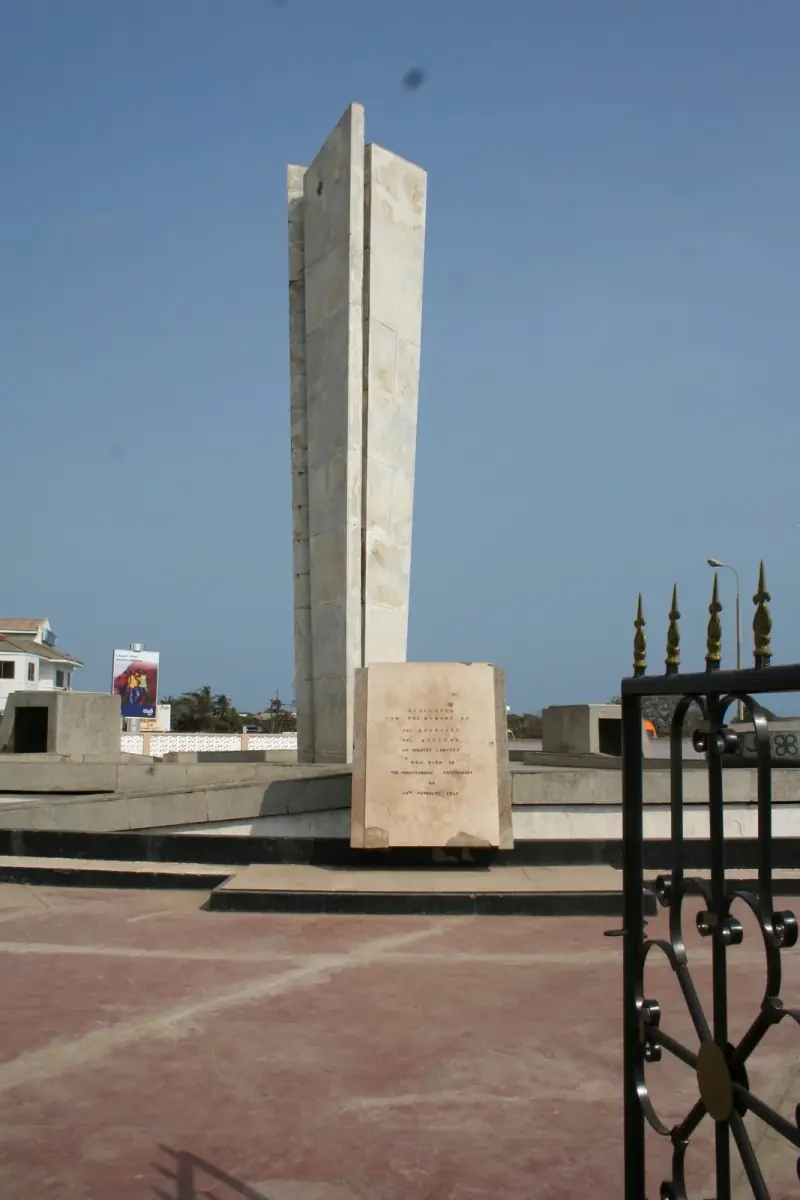
3. Boycott: Captain Charles Boycott Charles Boycott was an English land agent who managed an estate in County Mayo, Ireland, for Lord Erne. In September 1880, after his workers went on strike over wages and he served eviction notices on tenants, the Irish Land League leader Charles Stewart Parnell urged supporters to shun anyone who took over an evicted farm. Almost all of Boycott's employees left. The blacksmith, the postman and the laundress stopped serving him, and shopkeepers in nearby Ballinrobe stopped supplying him. In November, volunteers from Cavan and Monaghan, protected by soldiers and police, harvested his crops, at an estimated cost to the government of around 10,000 pounds for crops worth about 500. Boycott left Ireland on 1 December 1880. According to the American journalist James Redpath, a local priest, Father John O'Malley, suggested turning his name into a verb that September, and by 1888 it was in the first volume of the dictionary that became the Oxford English Dictionary. It later entered Dutch, French, German, Italian, Polish and Russian. Boycott did not invent the tactic. He was simply its first famous target. Ghana has its own famous boycott. In early 1948, Nii Kwabena Bonne, a Ga chief, led a boycott of imported European goods in Accra over inflated prices. It ended on 28 February 1948, the same day that ex-servicemen marching to petition the Governor were fired on near Christiansborg Castle, killing three of them. The shootings set off days of riots that are widely seen as a turning point on the road to independence.
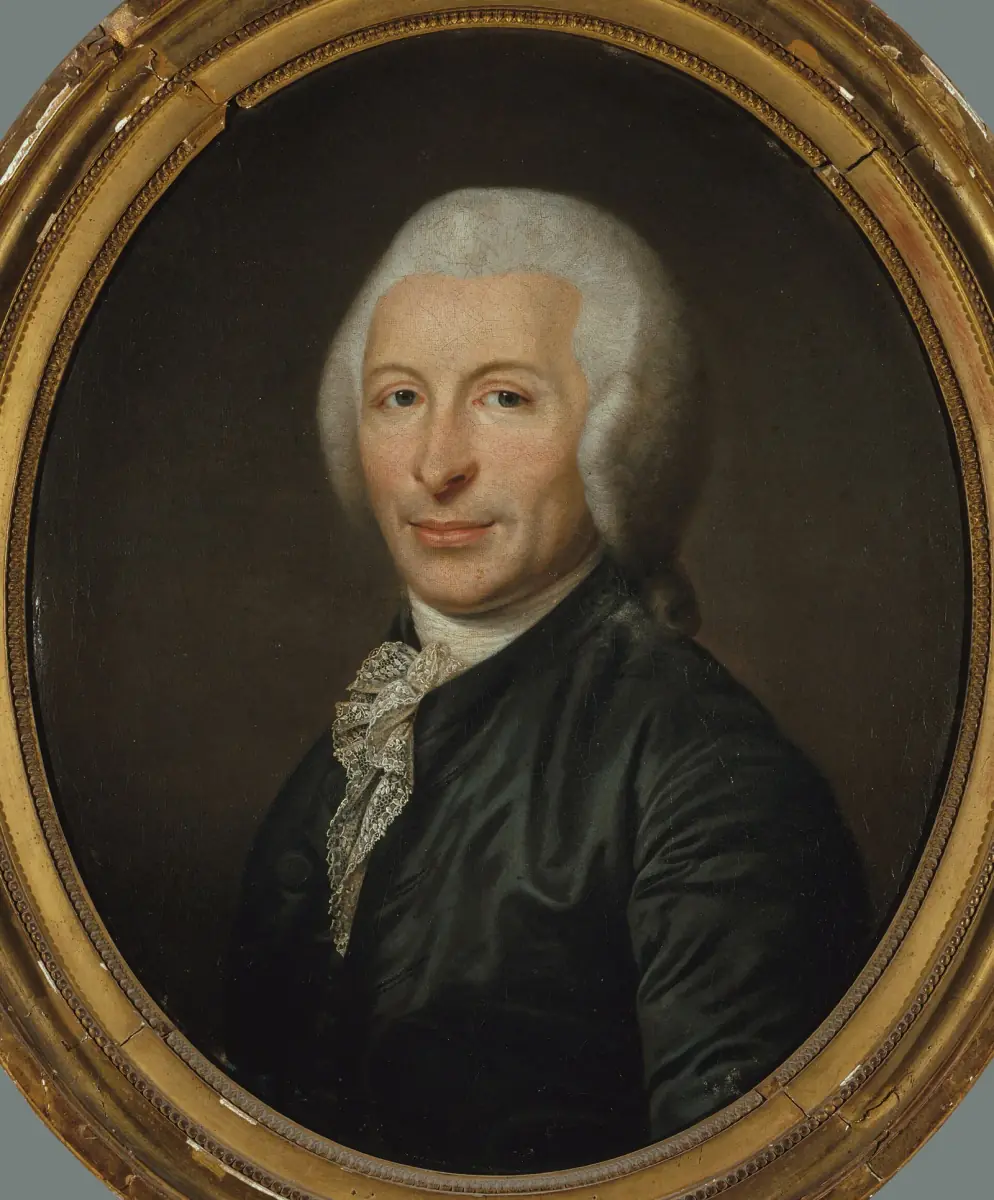
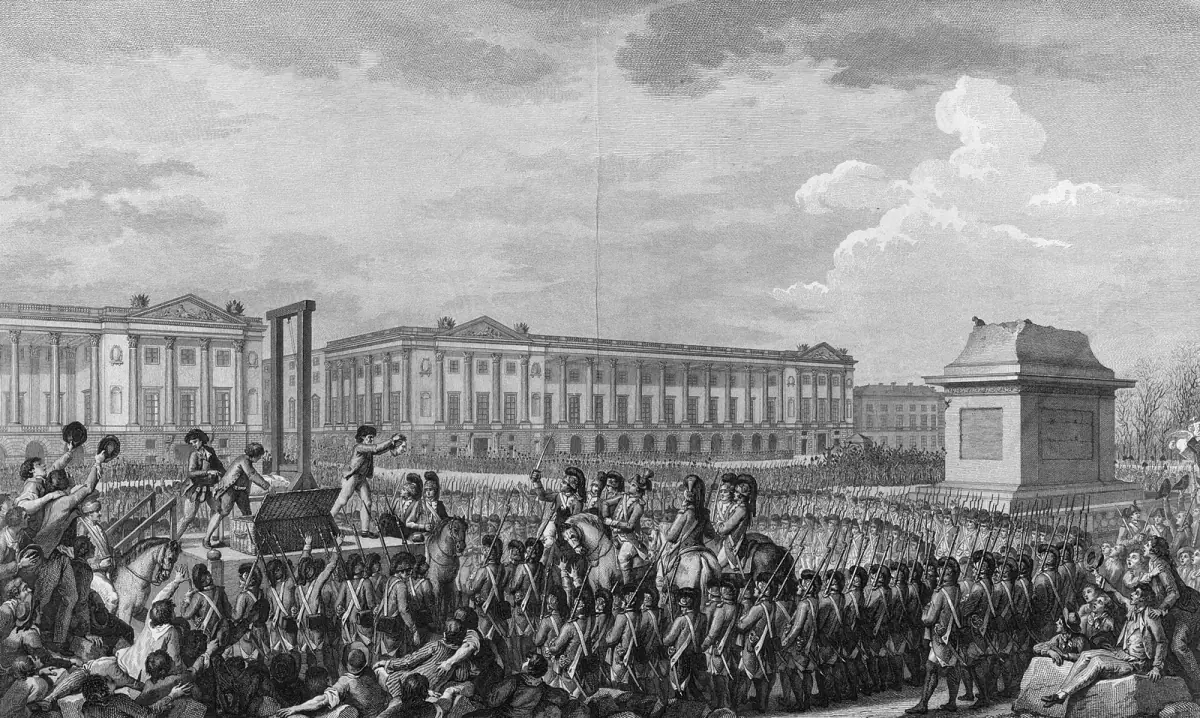
2. Guillotine: Dr. Joseph-Ignace Guillotin Joseph-Ignace Guillotin was a physician and a member of France's National Assembly in 1789. He opposed the death penalty, but argued that if people were to be executed, it should be done by a machine that beheads painlessly, and in the same way for everyone, rich or poor. The Assembly commissioned the surgeon Antoine Louis to build it, with the German engineer Tobias Schmidt helping to make the prototype, and at first it was called the louisette after Louis. The public name that stuck was "guillotine". Its first victim, a highwayman named Nicolas Jacques Pelletier, was executed on 25 April 1792, Louis XVI was guillotined on 21 January 1793, and historians estimate that about 16,600 people were formally sentenced to death during the Reign of Terror, with many more dying without trial or in prison. Guillotin had no part in designing or building the machine, and he deeply regretted that it carried his name. His family asked the government to rename it, and when it refused, they changed their own surname. He died of natural causes in 1814, and the idea that he was guillotined himself is a myth. France carried out its last guillotine execution in Marseille on 10 September 1977 and abolished the death penalty in 1981.
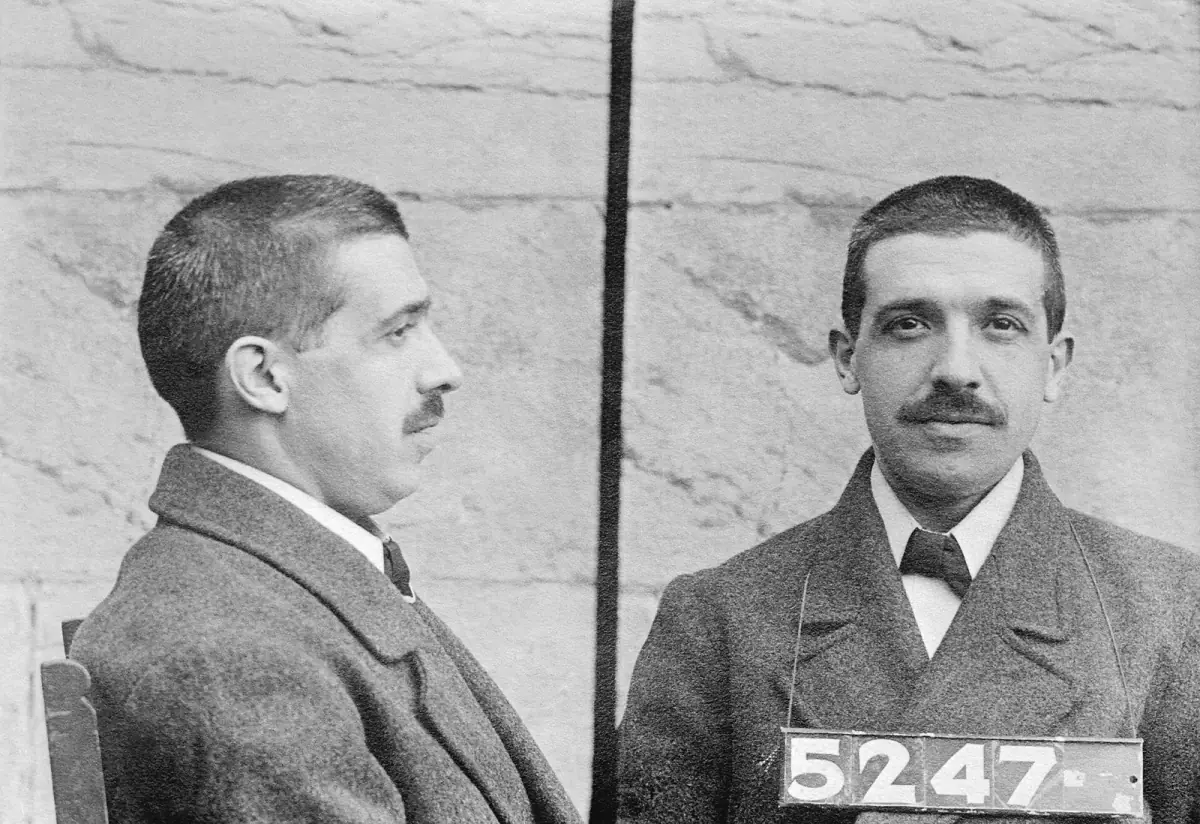
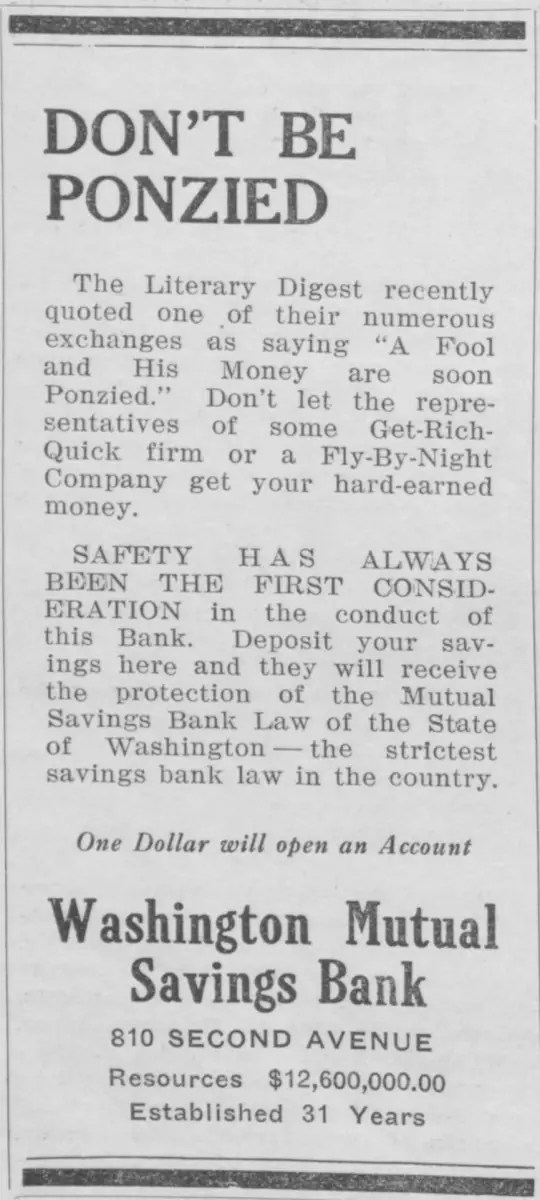
1. Ponzi Scheme: Charles Ponzi Charles Ponzi was born in Lugo, Italy, in 1882 and arrived in Boston in 1903 with, by his own account, $2.50. In 1920 he started the Securities Exchange Company and promised investors a return of 50 percent in 45 days, or 100 percent in 90 days, supposedly by buying international reply coupons cheaply in Europe and cashing them in for stamps in the United States. The financial journalist Clarence Barron calculated that the scheme would need about 160 million coupons, when only about 27,000 existed. Ponzi was really paying early investors with money from later ones, and by July 1920, money was reportedly pouring in at close to a million dollars a day. The Boston Post began critical reporting on 26 July, and on 11 August the state seized the bank he used. Ponzi pleaded guilty to mail fraud in November 1920 and was sentenced to five years. Investors lost an estimated $20 million. He was later convicted in Massachusetts and Florida, deported to Italy in 1934, and died in a charity ward in Rio de Janeiro in 1949 with, reportedly, $75 to his name. He did not invent the trick. A Brooklyn bookkeeper, William Miller, known as "520% Miller", reportedly took in about a million dollars with a similar deception in 1899. But Ponzi made it famous, and by September 1920 a Seattle bank was running advertisements telling readers, "Don't be Ponzied." It is the same basic trick behind some of the biggest frauds in history.
The Pattern Behind The Names Braille and Diesel honour the people who built the thing. But Guillotin did not build the guillotine, Boycott did not invent the boycott and Ponzi did not invent the Ponzi scheme. Even the Earl of Sandwich may not have eaten the first sandwich the way the story says. A name often goes to whoever made something famous, for better or for worse, and the person honoured does not always get a say.
Image Credits Images were resized and converted for the web and were not cropped. Al-Khwarizmi monument: DierkA, CC BY-SA 4.0, via Wikimedia Commons Louis Braille engraving: Henri Thiriat, La Nature, 1887, public domain, via Wikimedia Commons Louis Braille's childhood home: Kou07kou, CC BY-SA 3.0, via Wikimedia Commons Earl of Sandwich portrait: Thomas Gainsborough, public domain, via Wikimedia Commons Rudolf Diesel: Unknown photographer, public domain, via Wikimedia Commons Early Diesel engine: Jorge Royan, CC BY-SA 3.0, via Wikimedia Commons Charles Boycott caricature: Leslie Ward, Vanity Fair, 1881, via the Yale Center for British Art, CC0, via Wikimedia Commons 1948 Accra riots monument: Obruni, public domain, via Wikimedia Commons Joseph-Ignace Guillotin portrait: Anonymous painter, Musee Carnavalet, public domain, via Wikimedia Commons Execution of Louis XVI: Isidore Stanislas Helman after Charles Monnet, 1794, Bibliotheque nationale de France, public domain, via Wikimedia Commons Charles Ponzi mug shot: US Government, public domain, via Wikimedia Commons Don't Be Ponzied advertisement: Washington Mutual Savings Bank, 1920, public domain, via
Sources Facts in this story were checked against the sources below. Figures such as death tolls and fraud losses are historians' estimates and differ between sources. Algorithm: Wikipedia, Al-Khwarizmi, MacTutor biography Braille: Wikipedia, Louis Braille Sandwich: Wikipedia, John Montagu, 4th Earl of Sandwich, Wikipedia, Sandwich Diesel: Wikipedia, Rudolf Diesel Boycott: Wikipedia, Charles Boycott, Wikipedia, 1948 Accra riots Guillotine: Wikipedia, Joseph-Ignace Guillotin, Wikipedia, Guillotine, World History Encyclopedia, Reign of Terror Ponzi: Wikipedia, Charles Ponzi, EBSCO, Ponzi schemes, Time, William "520 Percent" Miller